The Image Bubble
No, art is not done by artists. This is something they have not noticed. I know this sounds like cheating. Let me explain myself. Art, when understood as a medium, tool and channel for the transmission of knowledge – a triad potentially interesting for the general population – promotes the deployment of ideas more or less realistically: the evolution. And in its most extreme form, the revolution. This is not that once-art, that of the poor artists, those who did not know that they actually make post-distance art.
Art as a phenomenon no longer happens the way it used to. Art after the disappearance of distance – that which engages the viewer with images without turning them into images – is post-distance art. It can even be classified by sub-categories, but that discussion is for another time. As I explained, all has moved to another place, without asking. The technologies of digital images are now responsible for the cultural products consumed mostly by populations. This fact is not debatable, and that space is culture.
Their products are designed and executed by engineers at the service of other causes, not by active post-distance artists. This is very real – as is the fact that the paradigmatic figures of art are no longer a sort of geographical dispersion with a headquarters in Shanghai (or any other Christie's choice). Nor the naughty grannies Koons and Hirst. That paradigm is now, in any case, the late Steve Jobs. Someone doubts it? Look around you, if you can remove your eyes from your phone for just a moment.
So then, what is it that post-distance artists are making, amid so much confusion? It's post-distance art. An art aligned with political liberalism, consciously or naively – a hyperreality in the Baudrillardian sense, annulled under the appearance of itself. Not many know it, but they play it. The train is huge and breathless: post-distance art is trying to reach it, but the train is the current images and culture of creative technologists. They don't give a shit about the social sciences or the humanities – really. It's not in bad faith; the fault was ours.
Indeed, from the late 1960s, when in France we began to complain, pissed off about an excess of vice, some engineers thought the triads from Cupertino. They felt like artists – and they were, for sure, creative workers, the parents of a whole new digital ecosystem for the new culture and knowledge, the art happening now. Someone who has worked with them is telling you this. Let me explain how the technologies of images are guided when they manufacture the culture you consume. This is not about historical heritage, avant-garde or its deconstructivisms and subsequent sunsets. This is all about size, and it manifests with intensity.
Moore's Law says that approximately every two years the number of transistors in a microprocessor is doubled. It is an empirical law, formulated by Intel co-founder Gordon E. Moore on April 19, 1965, whose compliance has been observed until today. Effectively this means power.
Since CGI (computer-generated images) reached an optimal degree of mimicry with the natural world, they aligned with their developers. Reality ceased to be a diffuse and subjective concept conquered by the history of philosophy, and became a treasure to haunt. With a reborn Renaissance oculocentrism, reality is now always what we can determine technologically – the same way they determine the algorithms of your personality, presumably. Since images are co-dependent on machines, their growth is exponential to this law. By growth I mean the changes you perceive – or do not perceive. For example: in the visual evolution of the movies of your life, those effects your eyes notice are Moore's Law aligned with the production of digital images. And my colleagues in San Leandro have things very clear: for them, there is a way to know what a better image is. Better is more. Harder, stronger, bigger, faster (like the Daft Punk theme) – more resolution, more envelopment, more intensity. The machine keeps growing, and it determines your world. But what is the limit? What will images made by computers look like in the upcoming years? Will they relocate reality from its formal standpoint? Or will a certain idea of reality be forced to resemble that hyper-standard, this super-image produced by engineers?
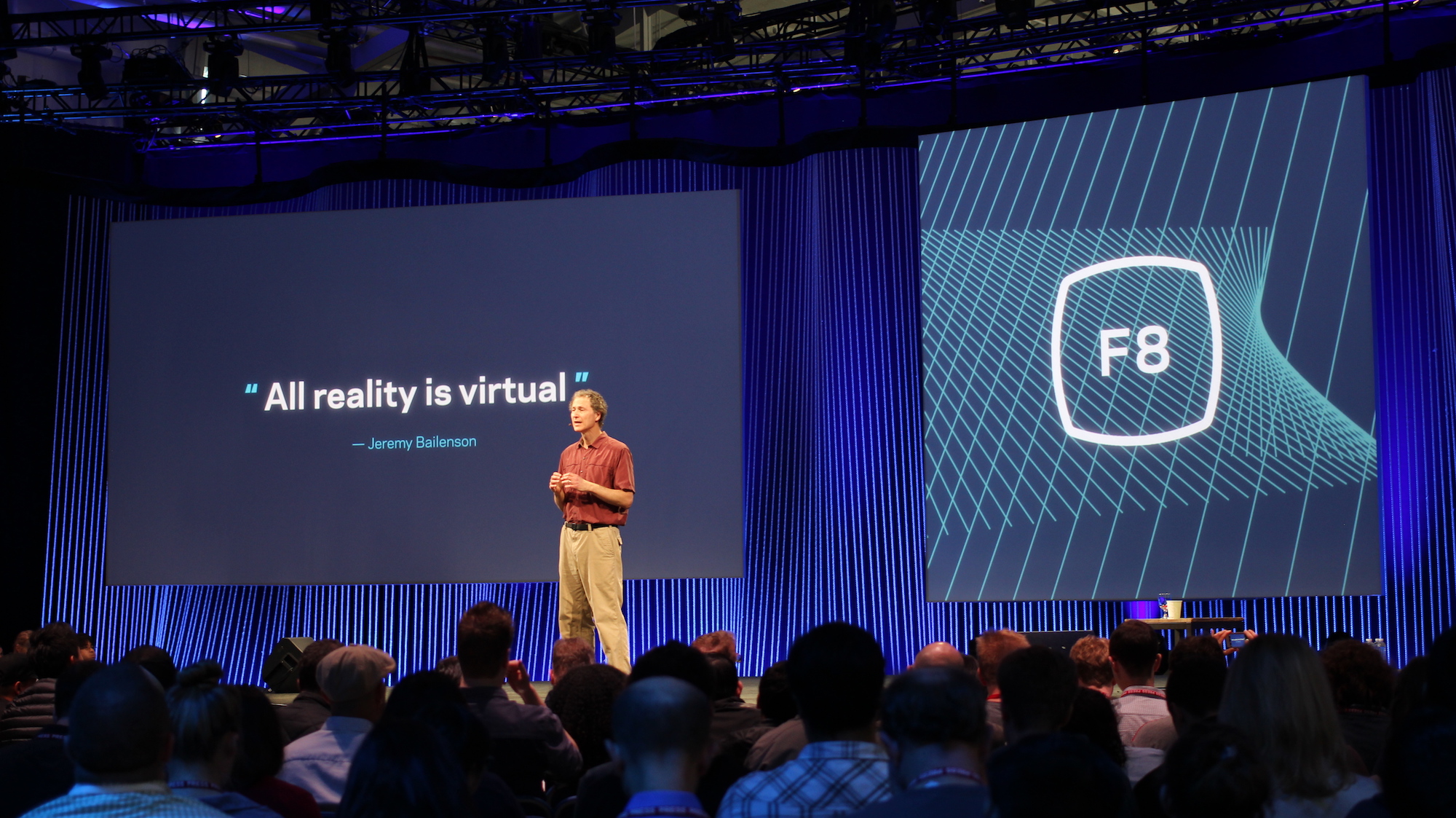
We live in an era of bubbles. Why has no one yet explained to us that the last bubble to explode is the bubble of images – generally, the bubble of the images of our lives? Because those who had to communicate it are far away, doing post-distance art, or nobody paid attention to them. What is behind this last bubble? A huge foam – empty and sparkling nihilo. This context produces increasingly pornographic images, infinite and epileptic. There is no sign of other sensible interests, only a capitalism of images, a vertical growth. It is not that History does not matter, nor that intellectual talent is lacking – it is that [post-distance artists] took too long to gain autonomy in their speech to want to relinquish influence to other spheres. Now it is too late. The digital attempts of post-distance artists are embarrassingly amateur compared to the universes of creative technologists – and so adorable. They don't make the medium, don't care about the tools, and definitely don't decide the channels. They are irrelevant and subsequent tourists.
In this context I imagine the need to restore some of the real value of the humanities, degraded since the first industrial revolution and even more since the third. We could perhaps enrich the interests and motivations of a technology that seems to be rediscovering Descartes with obese eyes – we could take it at least 400 years ahead. Maybe this brings a way to heal the sinister reasons that are making our world the most primitive world in possession of the most sophisticated technology that has ever existed: the recoil in social rights, ideological hatred, loss of agnostic spiritualities, sects, preachers, endemic void and other falsifiers of the present.
Upcoming posts: post-distance art categories and post-distance artist types, creative processes in times of cultural involvement, and creative technologies funny facts.