The Power and Art of Chiaroscuro
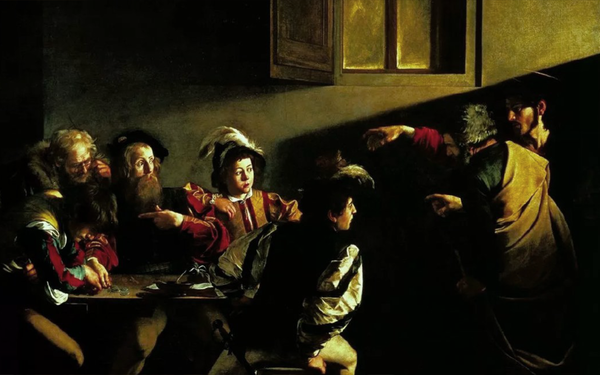
Chiaroscuro, derived from the Italian words chiaro (light) and scuro (dark), is a fundamental artistic technique that employs strong contrasts between light and shadow to create dramatic visual effects. It emerged during the Renaissance – Leonardo da Vinci experimented with it extensively in his sketches – but reached its pinnacle during the Baroque period, where masters like Caravaggio and Rembrandt used it to create works of extraordinary dramatic power.
Chiaroscuro is a sophisticated tool that serves multiple artistic purposes:
Emotional Impact
Strong contrasts between light and shadow naturally create drama and mystery, evoking powerful psychological responses. Deep shadows can symbolize the unknown; areas of light can represent revelation or truth. This makes chiaroscuro particularly effective for portraiture and narrative scenes.
Compositional Control
Light and shadow patterns create strong abstract shapes that guide the composition, often working on a subconscious level – leading the viewer's eye through the painting exactly as the artist intends.
Enhanced Depth and Atmosphere
One of chiaroscuro's most powerful qualities is its ability to create the illusion of three-dimensional form on a flat surface. Where shadows meet light, edges can be softened or "lost," creating a sense of atmospheric depth that is difficult to achieve through other means.
The Science of Light and Shadow
Understanding how light works is crucial for mastering chiaroscuro – particularly the interplay between direct and indirect light. Direct light travels straight from its source to the subject, creating the brightest illumination and most dramatic shadows. It follows predictable rules, falling off at consistent angles and creating clear patterns that help define form.
The boundary where direct light transitions into shadow – known as the shadow edge (or "terminator" or "bedbug line") – is particularly crucial. This line isn't merely a border: it's where the fundamental character of the light changes. On one side, the predictable, form-revealing effects of direct light. On the other, the more subtle world of indirect light: ambient light filling the general space and reflected light bouncing off nearby surfaces into the shadows.
In creating powerful chiaroscuro effects, we treat these two zones quite differently. The directly lit areas can contain a full range of values, showing subtle variations in form and surface quality. In the shadow areas, however, we deliberately minimize the influence of indirect light – creating what is known as shadow compression: keeping the range of dark values very narrow, with less variation than we might see in reality. This compression serves two purposes: it creates the dramatic dark-light contrasts characteristic of chiaroscuro, and it allows us to use a wider range of values in the light areas, where we can model form more dramatically.
This deliberate manipulation of direct and indirect light – rather than simply copying what we see – is what gives chiaroscuro its power.
A Tale of Two Paintings
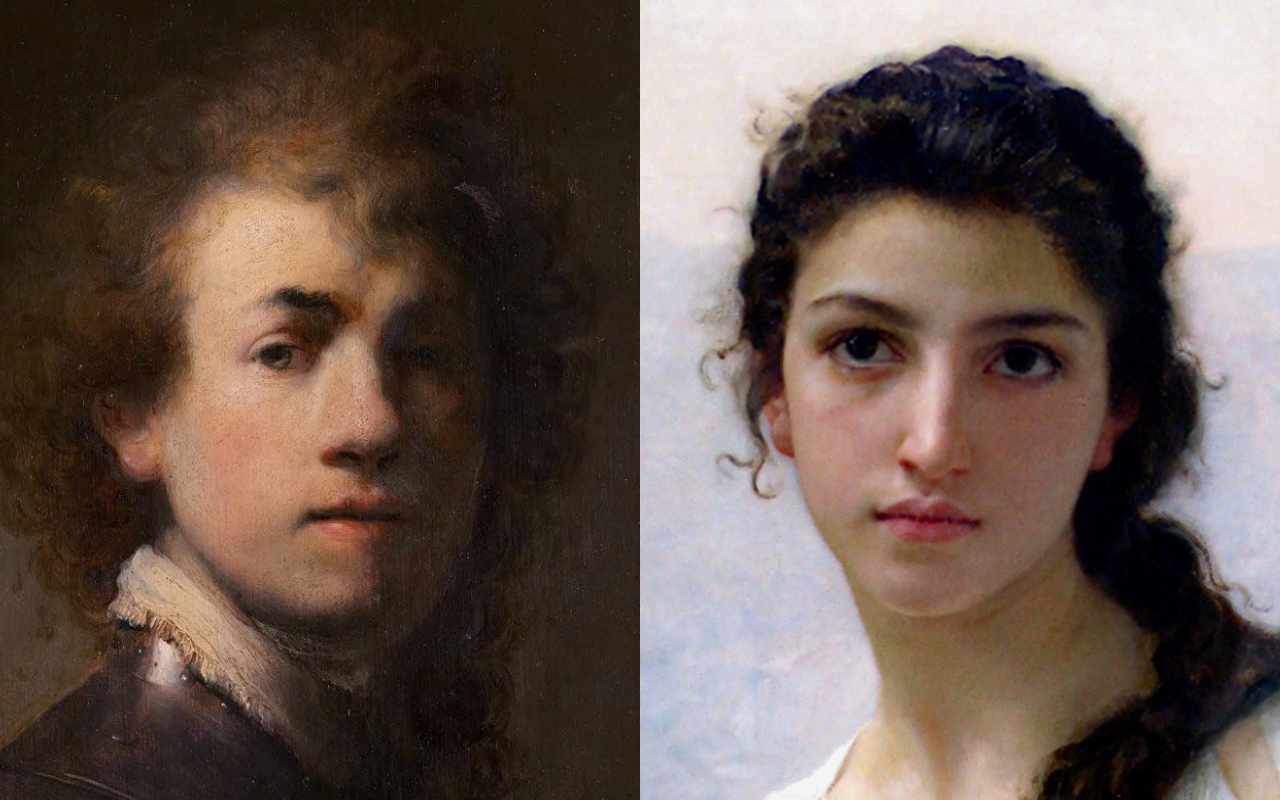
Rembrandt's Self-Portrait in a Gorget is a masterclass in chiaroscuro technique. By minimizing ambient light, Rembrandt creates characteristic compressed shadow values: the majority of the portrait is enveloped in rich, dark tones. The terminator line is especially pronounced, creating a dramatic transition from light to shadow across his face. This manipulation of light doesn't just create visual drama – it directs our attention precisely where Rembrandt intended, with the highlighted areas of his face emerging from darkness to command our focus. Three-dimensional form is achieved almost entirely through this careful control of the light-shadow relationship.
Bouguereau's Meditation demonstrates a fundamentally different approach. Abundant ambient light fills the scene, creating soft, gradual transitions between light and shadow. The shadow areas contain considerable detail and tonal variation, without the value compression we see in Rembrandt's work. Bouguereau's goal is a gentler, more contemplative mood – forms fully revealed rather than partially concealed. This suits his subject matter perfectly, just as Rembrandt's dramatic lighting serves his psychological portraiture.
Tips for Using Chiaroscuro in Your Own Work
Setup
- Use a single light source.
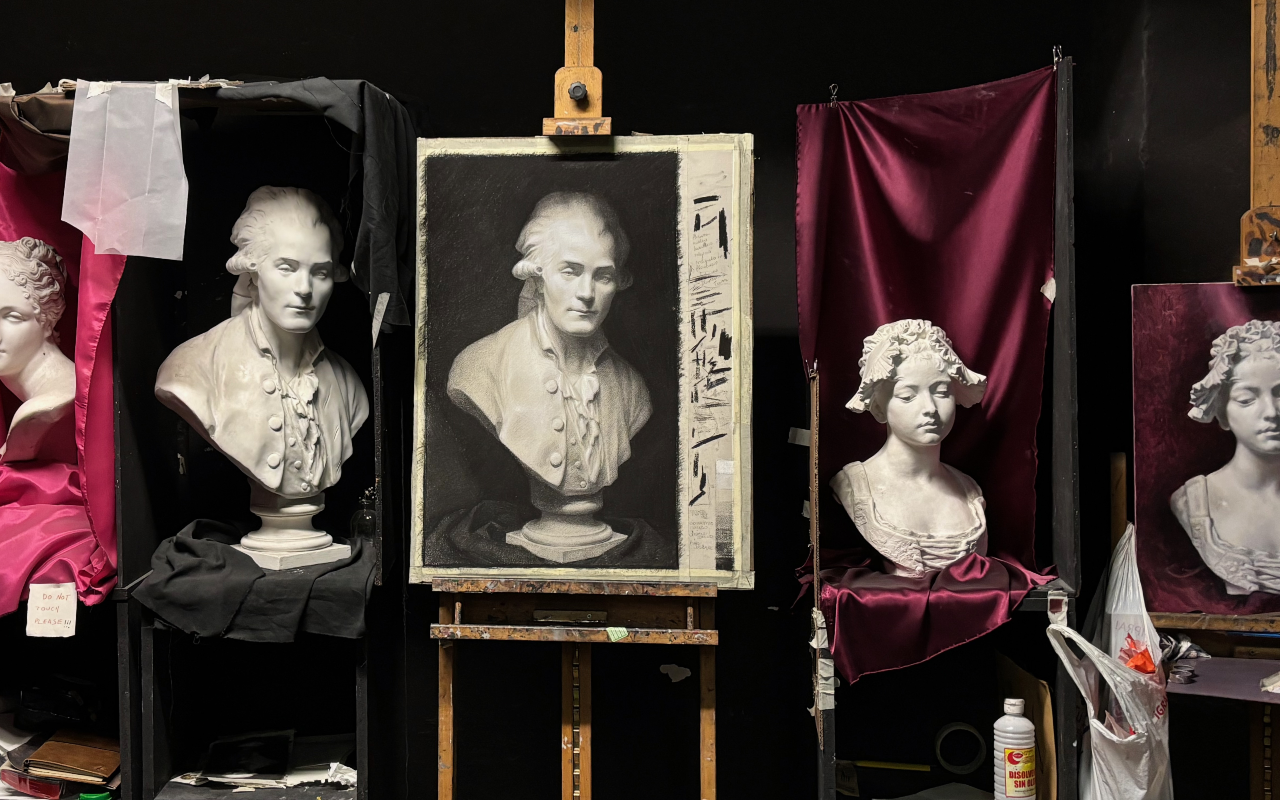
- Remove or cover surfaces near your subject that might reflect light into the shadows.
- If photographing, shoot in a darkened room to minimize ambient light and use manual camera settings to prevent automatic exposure compensation.
- Use black cardboard or fabric to block unwanted ambient and reflected light.
- Consider building a shadow box to precisely control the lighting in your setup.
General Shading Tips
- When creating your block-in drawing, mark both contours and the terminator line to clearly identify where direct light transitions into indirect light.
- Compress your shadow values while maintaining a clear distinction between light and shadow areas. Keep reflected and ambient light in your shadows subtle and low-contrast – these should support your main light source rather than compete with it.
- Simplify shadow areas by avoiding detail and sharp edges within them. This allows shadows to softly merge with the background, creating a powerful sense of depth.
Conclusion
Chiaroscuro isn't just about making things look dramatic – it's about understanding and controlling light to create powerful, engaging artwork. With practice and attention to these principles, you can use this technique to create works with genuine visual impact and emotional depth.
About the Author & Further Learning
Carl de Jager is a realist painter and educator. At The Realist Painter, he and his teaching partner Kostas offer immersive workshops that condense classical training into focused, hands-on learning experiences covering tonal values, color theory, drawing, and painting materials.If you'd like to explore light and shadow in practice, our own courses offer a solid foundation:
- Malen mit Licht und Schatten – Chiaroscuro-Technik der Alten Meister mit Blanca Amorós
- Alle Malkurse im Überblick